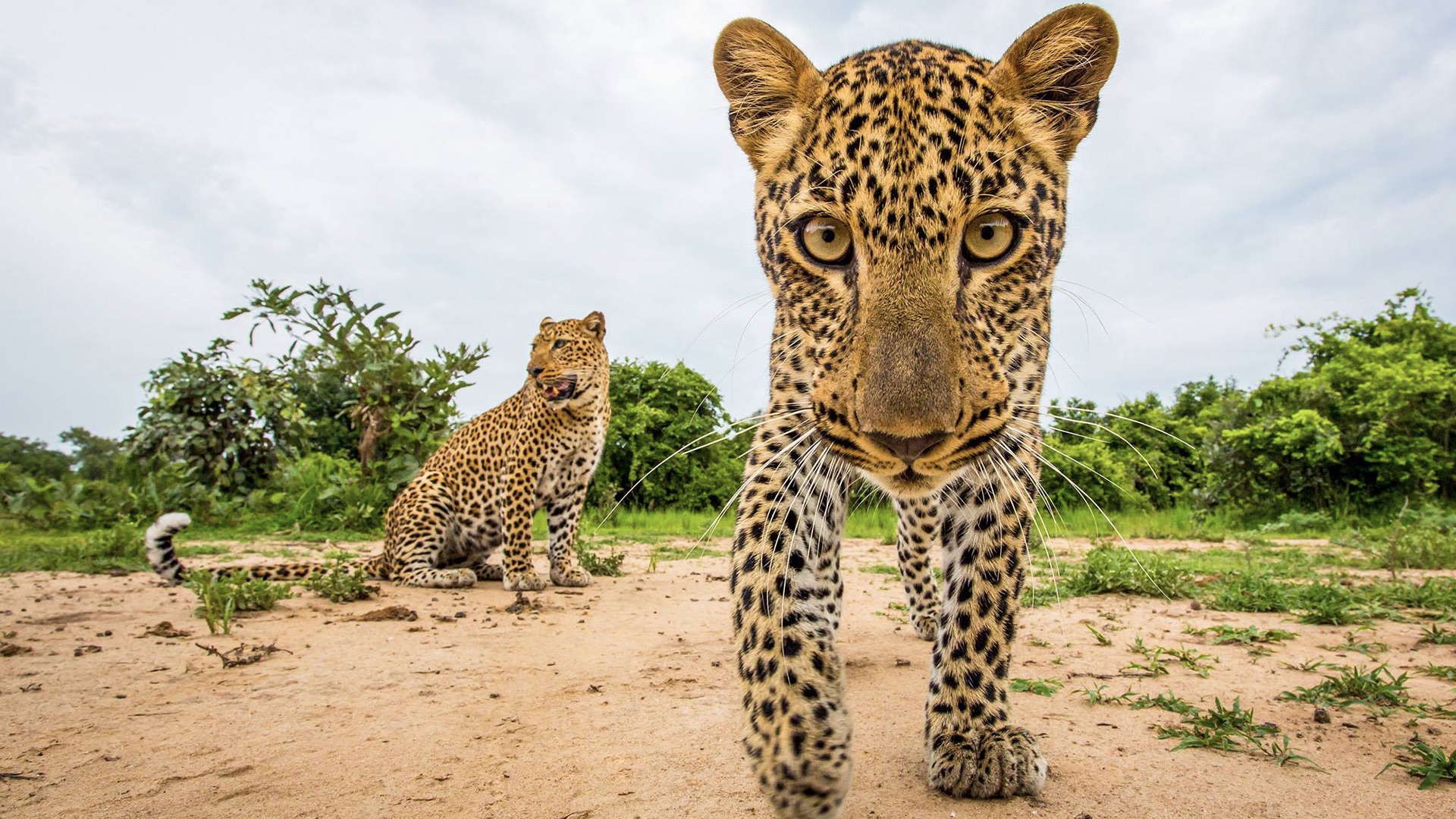
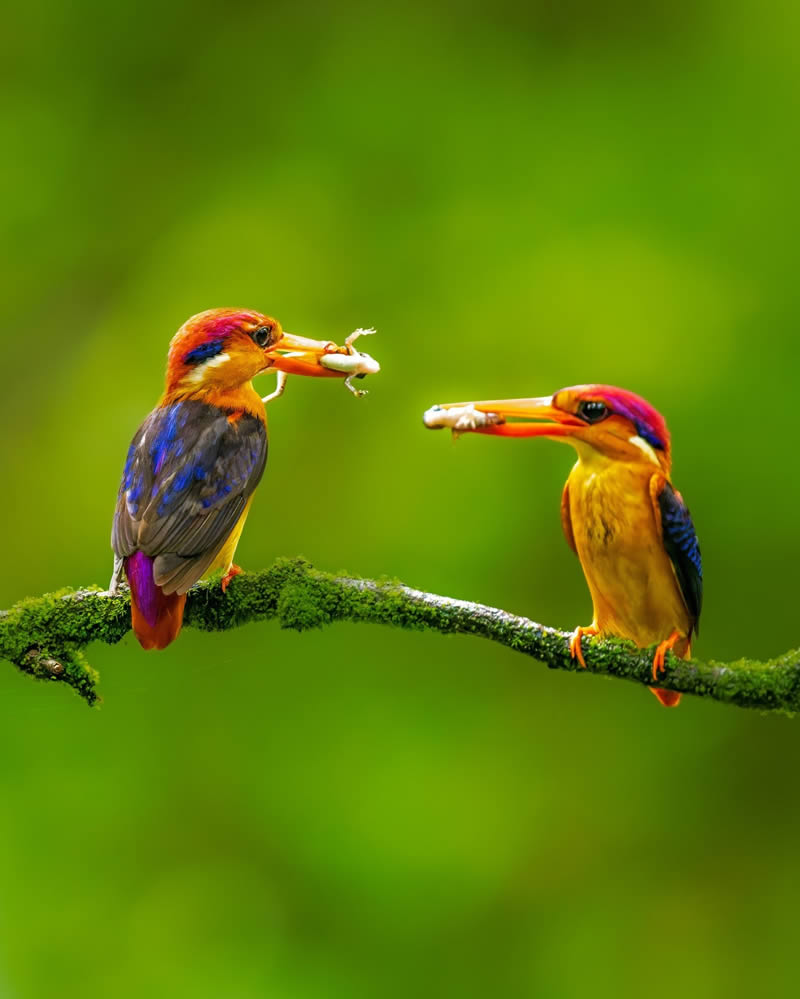
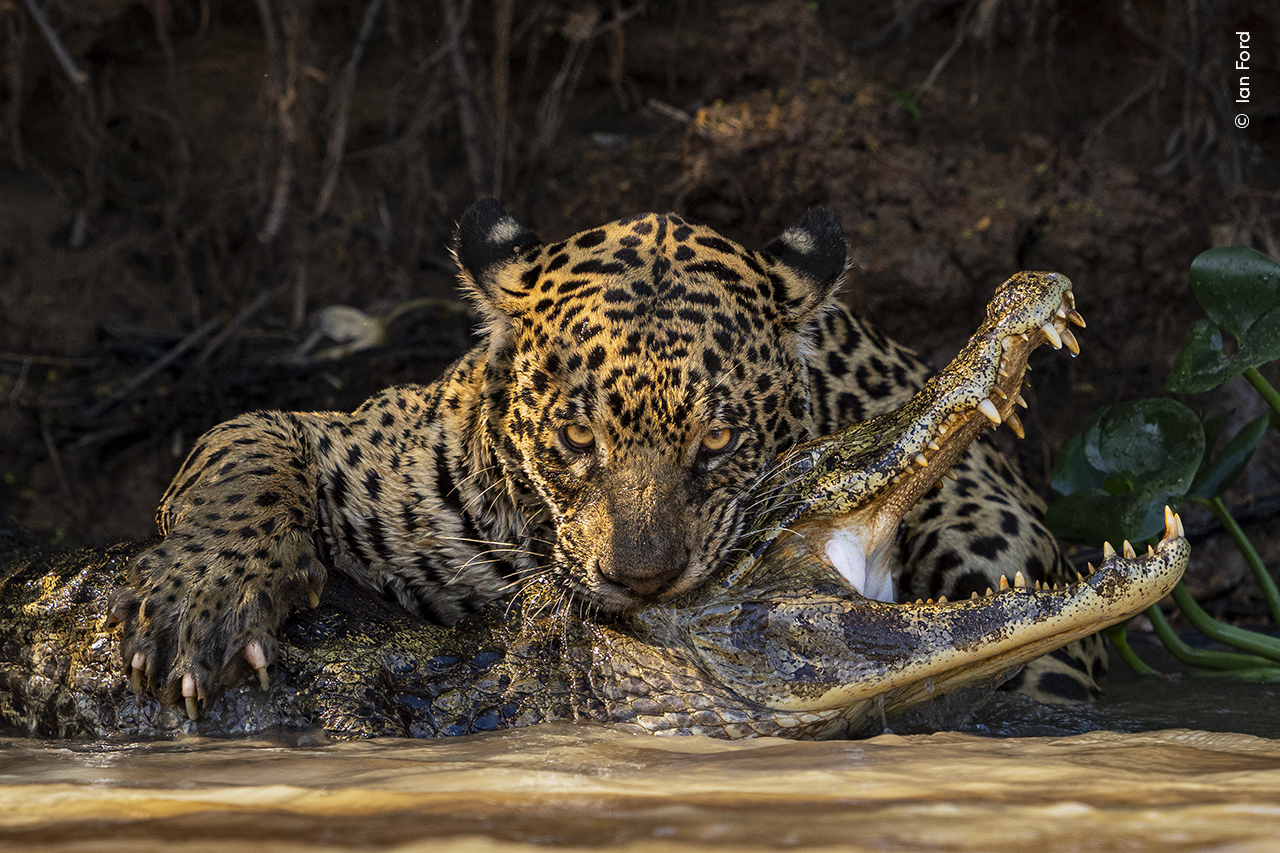
Wildlife photography is one of the most thrilling and rewarding forms of photography. It allows us to explore the natural world, observe animal behavior, and share the beauty of wildlife through powerful images. However, photographing animals in their natural environment requires patience, preparation, and skill. Whether you’re an aspiring wildlife photographer or a seasoned pro, these tips will help you capture the wild in all its glory.
1. Know Your Subject
Understanding the animals you’re photographing is the first step to success. Research their habits, movement patterns, and preferred habitats. Knowing when they’re most active—like early morning or late afternoon—can increase your chances of getting that perfect shot. Patience and observation are key; sometimes the best moments happen when you least expect them.
2. Choose the Right Gear
A good wildlife photo often depends on the right equipment. A DSLR or mirrorless camera with a fast autofocus system is ideal. Telephoto lenses (200mm or longer) help you get close to the action without disturbing the animals. Always carry extra batteries and memory cards, as wildlife photography sessions can be long and unpredictable.
3. Master Lighting and Exposure
Natural light plays a crucial role in wildlife photography. Early morning and late afternoon light—often called the golden hours—produce warm tones and soft shadows that enhance your images. Adjust your ISO, aperture, and shutter speed according to the lighting conditions. For fast-moving subjects, use a high shutter speed to freeze motion while maintaining proper exposure.
4. Composition Matters
A well-composed shot can turn a simple wildlife photo into a work of art. Follow the rule of thirds to position your subject off-center and create balance. Capture the animal’s environment to tell a story about its habitat. Leading lines, framing, and perspective can also add depth and visual interest to your photographs.
5. Be Ethical and Respectful
Respect for wildlife should always come first. Avoid disturbing animals or altering their behavior for the sake of a photograph. Maintain a safe and ethical distance, and follow local conservation guidelines. Remember, true wildlife photography celebrates nature without harming it.
6. Patience is Everything
Wildlife photography is unpredictable—you can’t control your subjects. Sometimes you’ll wait hours for the perfect moment, and that’s part of the adventure. Stay alert, quiet, and ready. The more time you spend in nature, the more rewarding your shots will become.
7. Edit Thoughtfully
Post-processing can enhance the mood and detail of your wildlife images. Adjust exposure, sharpness, and color balance while keeping the final result natural. Avoid excessive editing that alters the authenticity of the scene.
 v
v