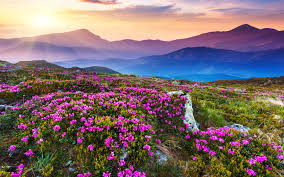
Natural photography is one of the most inspiring genres in the art of photography. It allows you to capture the beauty, colors, and patterns of the natural world in its purest form. From breathtaking landscapes to delicate flowers and serene sunsets, natural photography connects us with the environment and helps preserve its beauty for future generations.
1. Understand Natural Light
Lighting is the soul of natural photography. The best natural light occurs during the golden hours—shortly after sunrise and just before sunset—when the light is soft, warm, and diffused. Avoid shooting under harsh midday sun, as it can create strong shadows and reduce detail. Instead, embrace the gentle tones of early morning or late afternoon for a more balanced, natural look.
2. Choose the Right Equipment
While a professional DSLR or mirrorless camera offers great control, even smartphones today can capture stunning natural shots. Use lenses that suit your subject—a wide-angle lens for landscapes, or a macro lens for close-ups of flowers and textures. Always carry a tripod for stability, especially when shooting in low light or capturing long exposures like waterfalls or starry skies.
3. Focus on Composition
A strong composition transforms a simple scene into a captivating image. Use the rule of thirds by placing key elements off-center to create balance and depth. Leading lines—like rivers, pathways, or tree branches—can guide the viewer’s eye through the image. Experiment with angles and perspectives to make your photos unique and engaging.
4. Capture Details and Textures
Nature is full of incredible details that often go unnoticed. Get close to your subjects to capture intricate textures, raindrops on leaves, or patterns in sand and rocks. These small details tell powerful stories about the natural world and add depth to your photography portfolio.
5. Be Patient and Observant
Nature doesn’t rush, and neither should you. Take time to observe your surroundings—the changing light, the movement of clouds, or the way wind interacts with grass and trees. Patience allows you to anticipate the perfect moment and capture the emotion and atmosphere of a scene authentically.
6. Edit with a Light Touch
Post-processing should enhance, not overpower, the natural beauty of your image. Adjust brightness, contrast, and color tones gently to retain realism. Avoid over-saturation and heavy filters that can make your photo look artificial. Natural photography is all about authenticity and simplicity.
7. Respect the Environment
Always remember to leave no trace. Avoid disturbing wildlife, picking flowers, or damaging ecosystems for the sake of a photo. Responsible photography protects the beauty you aim to capture and ensures it remains for others to enjoy.

