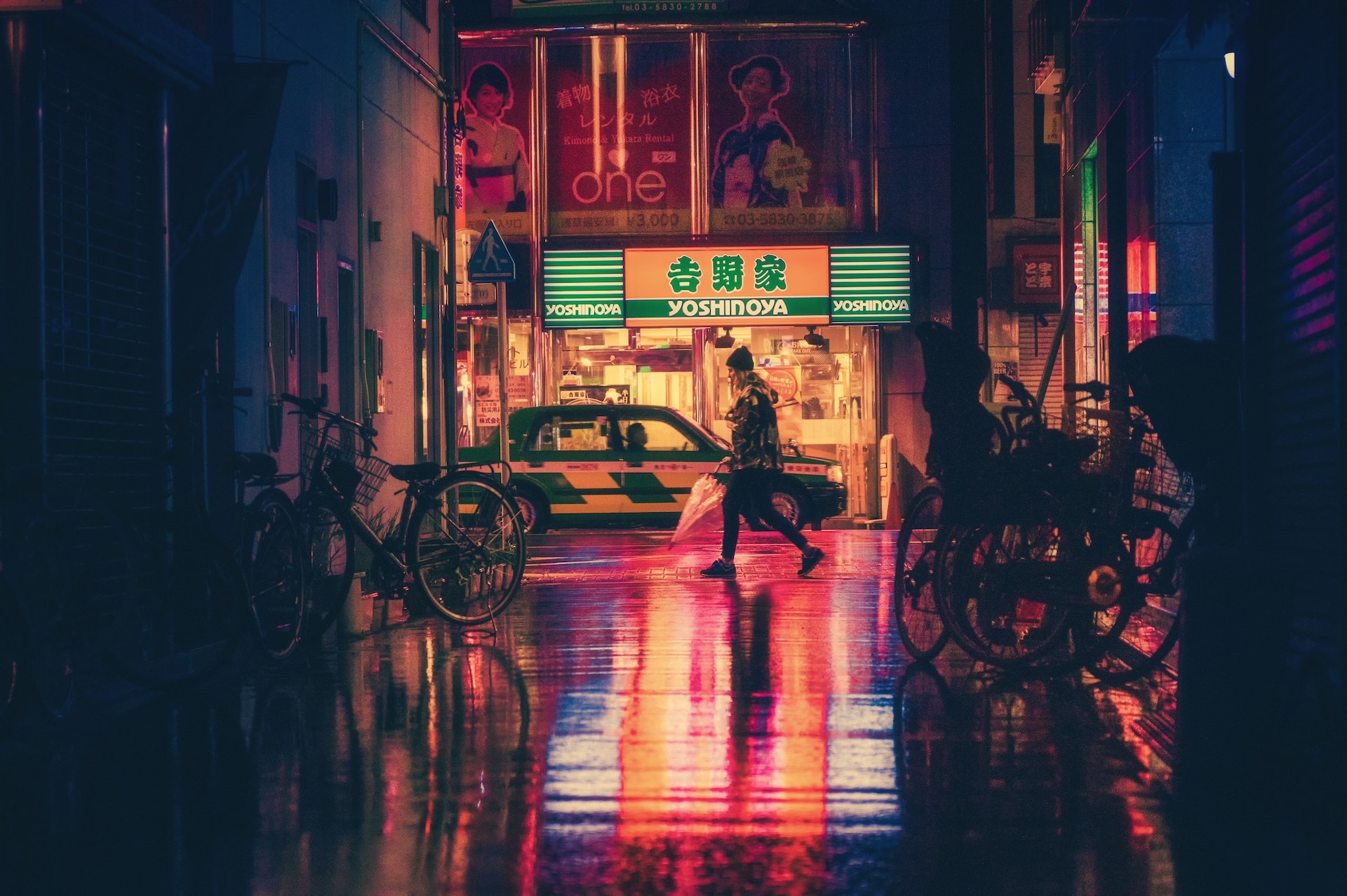
Street photography is more than just taking pictures of people or places — it’s about capturing the soul of everyday life. From fleeting emotions to spontaneous actions, it freezes authentic human stories in time. Whether you’re a beginner or a seasoned photographer, street photography challenges you to see beauty in the ordinary and emotion in the unnoticed.
What Is Street Photography?
Street photography is a genre that documents real life in public spaces. It’s unscripted, unpredictable, and deeply human. Unlike portrait or landscape photography, it doesn’t rely on planned compositions or controlled lighting. Instead, it thrives on spontaneity, timing, and a keen eye for storytelling. Every street corner, market, or subway station can become your stage.
Essential Gear for Street Photography
You don’t need expensive equipment to excel in street photography. A compact camera or even a smartphone can do the job if you understand light, timing, and perspective. However, many professionals prefer mirrorless or DSLR cameras for better control and image quality. Use a lightweight lens — a 35mm or 50mm prime lens is ideal, as it offers a natural perspective and encourages you to move closer to the action.
Techniques to Improve Your Street Shots
-
Blend In: Try not to draw attention to yourself. Dress simply, move naturally, and respect personal space. The more discreet you are, the more authentic your shots will be.
-
Anticipate the Moment: Great street photography is about predicting what will happen next. Observe your surroundings and wait for that perfect alignment of light, subject, and emotion.
-
Play with Light and Shadows: Use natural light to your advantage. Early mornings and late afternoons often provide the best contrast and mood.
-
Tell a Story: Each photograph should evoke curiosity or emotion. Think about what you want the viewer to feel — joy, loneliness, chaos, or calm.
Ethics and Respect
While street photography celebrates candidness, it’s vital to respect people’s privacy and culture. Always be mindful of your subjects, especially in sensitive situations. If someone feels uncomfortable, be courteous and delete the image if asked. Ethics and empathy are as important as technical skill.
Editing and Presentation
Post-processing can enhance your street photos without losing their authenticity. Adjust exposure, contrast, and tones, but avoid over-editing. Black and white editing often adds a timeless and dramatic feel, highlighting emotions over distractions.
Conclusion
Street photography is about connecting with the world through your lens. It teaches patience, observation, and empathy — qualities that extend beyond photography itself. With practice and an open mind, every street becomes a canvas of human stories waiting to be captured.