Nature and landscape photography is one of the most rewarding genres of photography — it connects you with the beauty of the natural world and helps you see familiar places in a completely new way. Whether you’re shooting with a smartphone or a DSLR, the key is to combine technical skill with creativity. Here are some simple yet powerful tips to help you get started.
1. Chase the Right Light
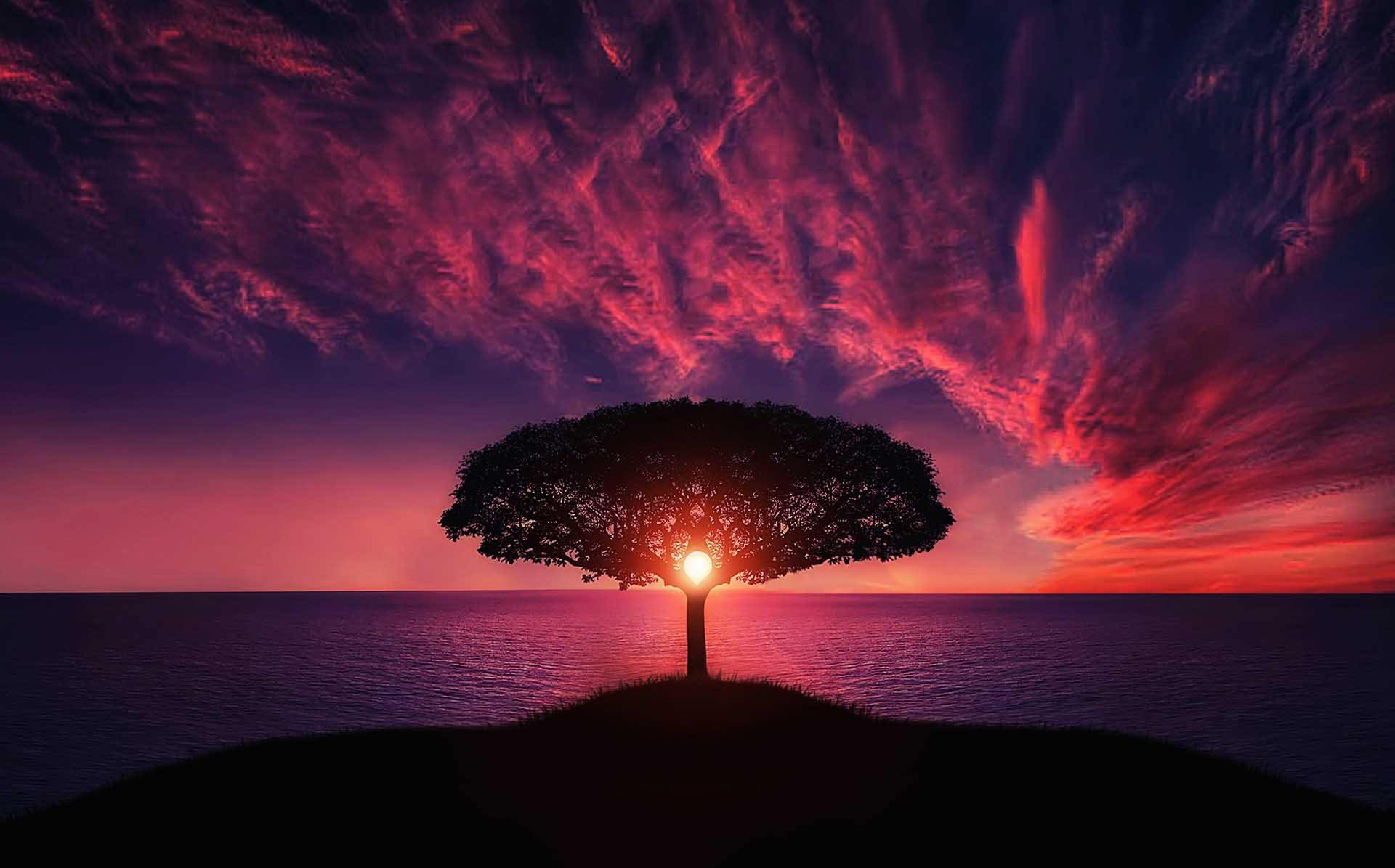
Lighting is everything in photography. The best times to shoot outdoors are during the golden hours — shortly after sunrise and before sunset. The light is soft, warm, and adds a natural glow to your images. It can make even an ordinary landscape look magical.
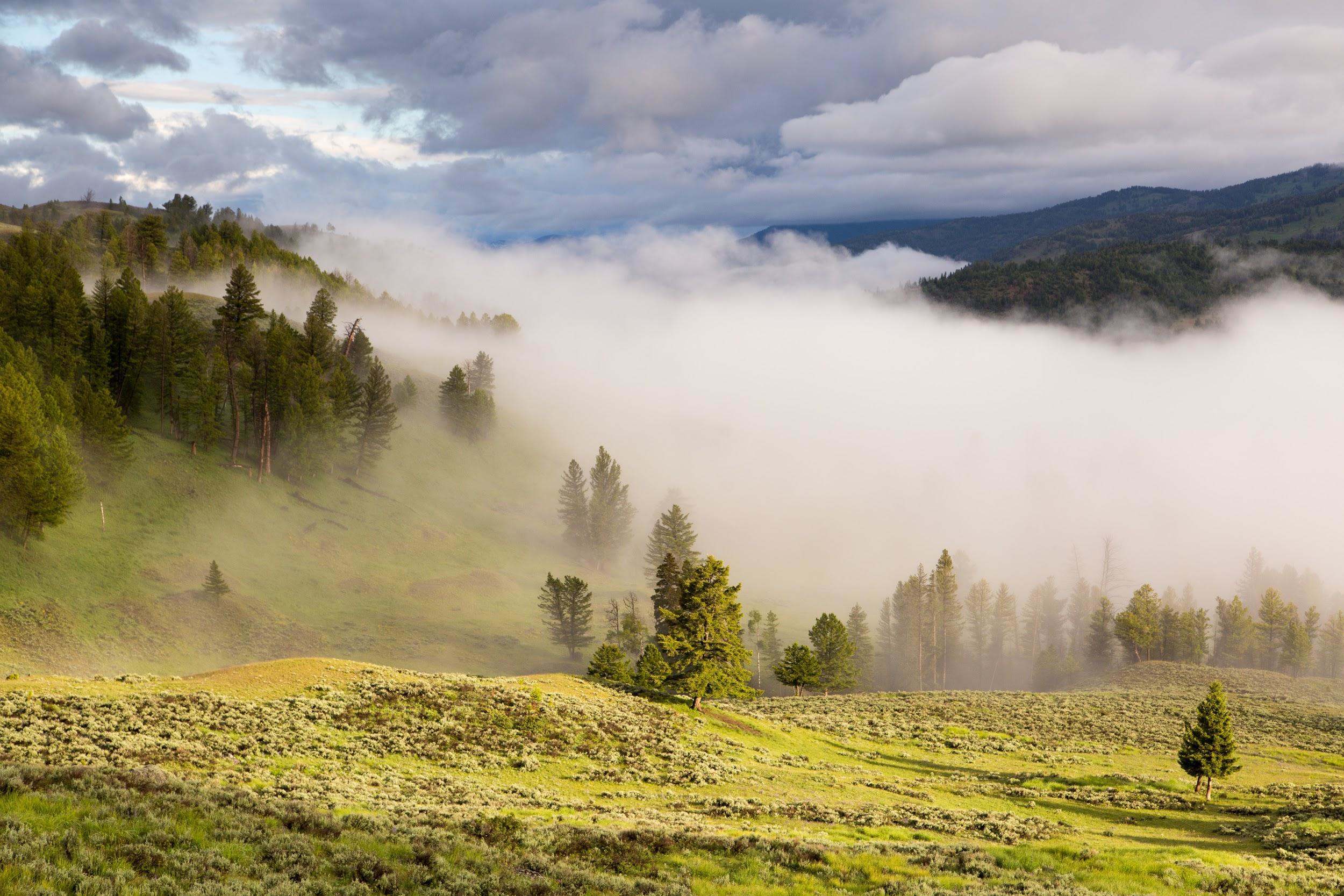
But don’t avoid cloudy or rainy days! Overcast skies create soft, even light that’s perfect for capturing details and textures. Early morning fog or dramatic storm clouds can also add mood and emotion to your shots. Remember — nature doesn’t always need perfect weather to look beautiful.
2. Master the Art of Composition
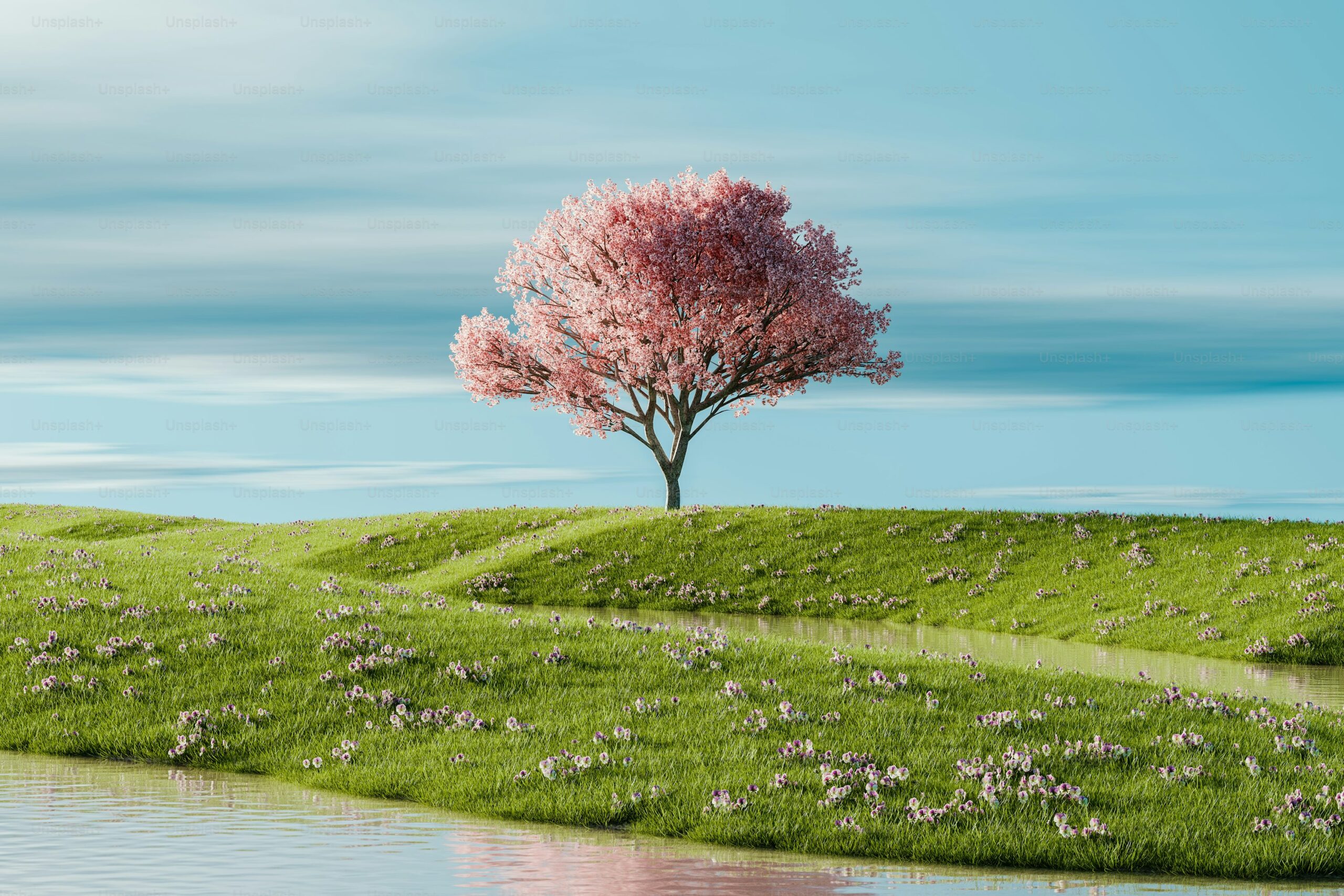
A good composition helps your photo tell a story. The rule of thirds is a great place to start: imagine dividing your frame into nine equal parts with two horizontal and two vertical lines. Place key elements — like a tree, a mountain peak, or a person — along those lines or at their intersections.
Use leading lines such as rivers, trails, or fences to guide the viewer’s eye into the photo. Adding foreground elements like rocks, flowers, or reflections can also create depth and make the viewer feel part of the scene.
3. Experiment with Perspectives
Don’t just shoot from eye level. Try crouching low to capture the texture of the ground, or find a higher spot for a sweeping aerial view. Shooting through branches, leaves, or flowers can create a natural frame and add a sense of mystery. Changing your angle or distance can completely transform the feel of a photograph.
4. Embrace Creativity
Nature photography isn’t only about capturing what you see — it’s about expressing how you feel. Experiment with long exposures to make waterfalls look silky smooth, or try minimal compositions that focus on a single tree or rock against a vast sky. Reflections in puddles, shadows on sand dunes, or light filtering through leaves — these small details can turn a simple shot into something artistic.
5. Edit with Intention
Post-processing is where you bring your creative vision to life. Adjust brightness, contrast, and saturation to enhance your photo’s natural beauty. Avoid heavy filters — subtle edits often make the strongest impact. Aim to make the viewer feel what you felt when you took the photo.